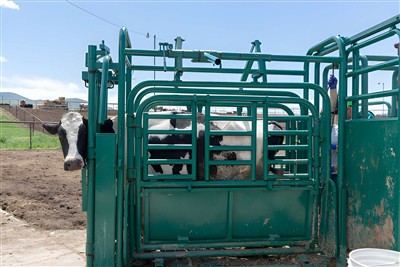
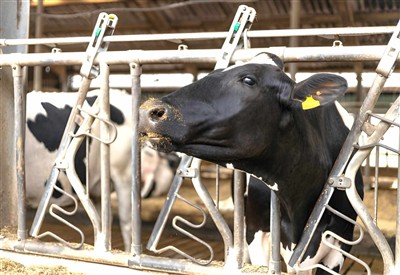
As a farmer or rancher, your gates are the frontline of your property's defense. A poorly secured gate doesn't just risk wandering livestock and lost profits-it can also lead to liability issues or unauthorized access to your land.
Learning how to lock a cattle gate effectively depends on your specific needs: are you looking for quick daily access, or high-level security against intruders? In this guide, we'll break down the best locking mechanisms and expert tips to keep your herd safe.
Why Basic Latches Aren't Always Enough
Cattle are surprisingly clever and incredibly strong. A curious calf can often nudge a simple gravity latch open, and a heavy bull can lift a gate off its hinges if it isn't secured properly. To ensure your "fence-jumpers" stay put, you need a locking system that accounts for weight, weather, and animal behavior.
Top 4 Ways to Secure a Cattle Gate
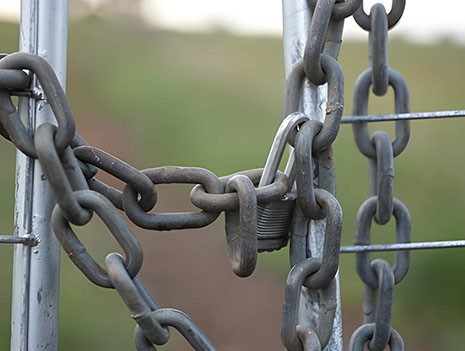
1. The Classic Chain and Padlock
This is the most traditional and versatile method. It works regardless of how much the gate or post has shifted over time.
Best for: Perimeter gates and long-term security.
How to do it: Loop a heavy-duty galvanized chain around the gate frame and the terminal post. Secure it with a weather-resistant padlock.
Pro Tip: Use a "chain keeper" welded to the gate to prevent the chain from sliding down.
2. Heavy-Duty Slam Latches
If you are moving cattle frequently, you need a "one-handed" operation. Slam latches allow the gate to lock automatically when pushed shut.
Best for: Sorting pens and high-traffic areas.
How to do it: Mount the latch housing to the post and the striker bolt to the gate. Ensure the alignment is perfect so the bolt snaps into place even if the gate sags slightly.
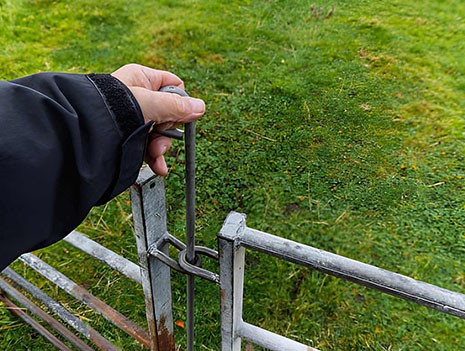
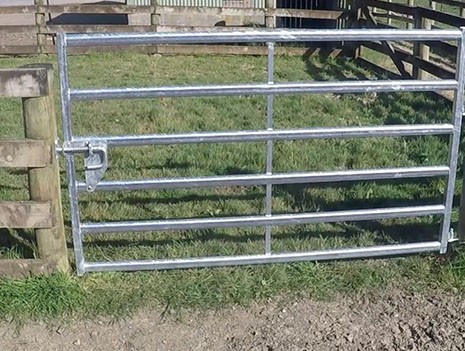
3. Sliding Bolt Latches (Cane Bolts)
A sliding bolt offers a rigid, sturdy connection. Many modern cattle gates come with these pre-installed, but they can be upgraded for better security.
Best for: Double gates or heavy corral gates.
How to do it: Slide the metal bolt into the receiver on the post. Look for bolts that feature a "hole-through" design, allowing you to insert a lynchpin or a padlock through the bolt to prevent animals from toggling it with their tongues.
4. Electronic and Solar Gate Openers
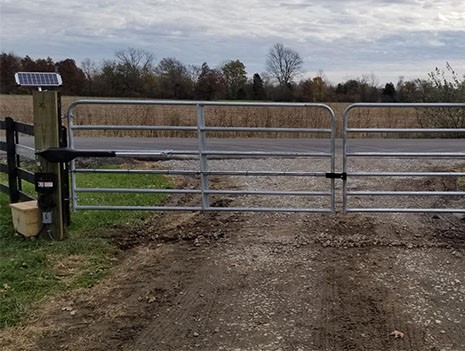
For main driveway entrances, electronic locks provide the highest level of convenience.
Best for: Main farm entrances.
How to do it: Install an automated arm system. Most modern units include an automatic solenoid lock that engages when the gate is closed, making it nearly impossible to force open by hand.
Expert Tips for Maximum Gate Security
To truly secure your livestock, follow these professional maintenance steps:
Secure the Hinges: Many people forget the hinge side. Use hinge bolts or "U-bolts" to ensure the gate cannot be lifted off its pins. Flipping the top hinge pin downward is a classic farmer trick to prevent "lift-off."
Check for Sagging: A sagging gate is hard to lock. Use a gate wheel or a support cable to keep the latch and receiver perfectly aligned.
Weatherproof Everything: Use stainless steel or galvanized hardware. Rust is the enemy of security; a frozen lock is useless in an emergency.
The "Double-Lock" Strategy: For gates bordering public roads, use a primary slam latch for convenience and a secondary chain/padlock for night-time security.
Conclusion
Knowing how to lock a cattle gate is about balancing convenience with reliability. Whether you choose a high-tech solar lock or a rugged chain-and-padlock combo, the goal is the same: peace of mind knowing your livestock is exactly where you left them.
Looking for heavy-duty hardware? Check out our [Livestock Equipment Collection] to find the perfect latches, chains, and nursing supplies for your farm.