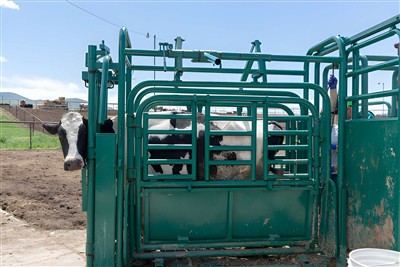
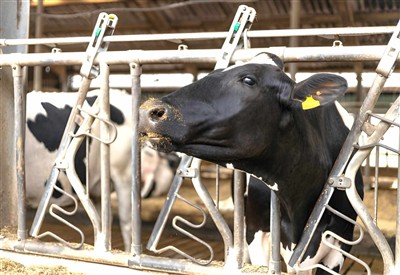
In the world of modern livestock management, efficiency isn't just a luxury-it's a necessity. Whether you are running a high-production dairy farm or a beef operation, the way you handle your animals during feeding and medical checks determines your bottom line.
One of the most impactful upgrades you can make to your facility is the installation of cattle headlocks (also known as self-locking stanchions). But are they worth the investment? Let's explore the primary benefits of integrating headlocks into your barn design.
Streamlined Medical and Health Management
The most immediate benefit of headlocks is the ability to perform routine health tasks without the need to "chase" or stress the animals.
Vaccinations & Deworming: When cattle are locked in during feeding, a single operator can move down the line and administer shots in a fraction of the time.
Artificial Insemination (AI) & Pregnancy Checks: Headlocks provide the stability required for precise reproductive work, ensuring the safety of both the vet and the cow.
Easy Identification: Reading ear tags or checking collars becomes a simple task when the animal is safely secured at the bunk.
Reduced Stress for the Herd
It may seem counterintuitive, but locking an animal in place can actually lower its overall stress levels.
Eliminating the Chase: Traditional "sorting" or "chute" methods often involve loud noises, prods, and running, which spikes cortisol levels.
Feeding Routine: With self-locking headlocks, the cow simply walks up to eat, and the mechanism engages quietly. Because the cow is distracted by her feed, she remains calm during exams or minor treatments.
Enhanced Worker Safety
Handling 1,200-pound animals always carries an inherent risk. Cattle headlocks act as a physical barrier between the handler and the livestock.
Controlled Movement: By securing the head, you eliminate the risk of being pinned or kicked during close-up inspections.
One-Person Operation: Many headlock systems are designed for "single-man" operation, meaning you don't need a full crew just to check a single animal's health.
Fair Access to Nutrition (Reducing Competition)
In every herd, there are "boss cows" (dominant animals) and "shy cows" (submissive animals).
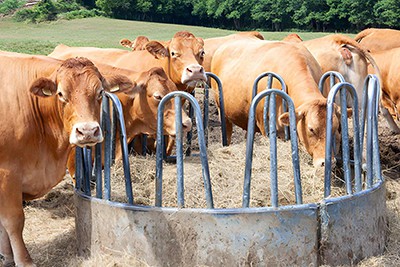
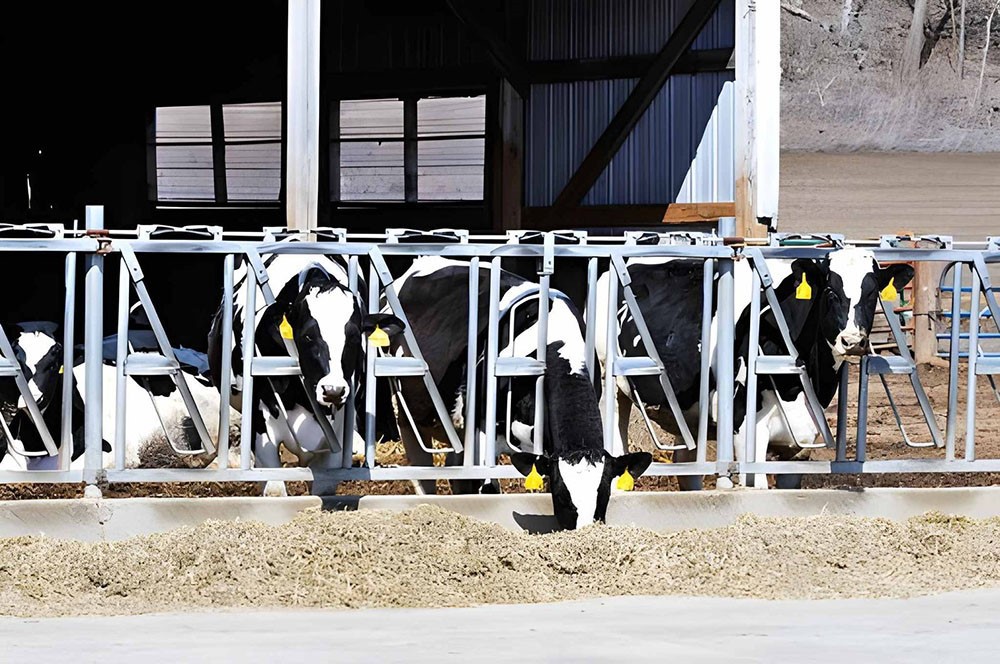
Preventing Bullying: Without headlocks, dominant cows often move along the feed bunk, pushing smaller or younger cows away from the best TMR (Total Mixed Ration).
Uniform Growth: Headlocks ensure that every cow has her own dedicated space to eat. This leads to more uniform body condition scores (BCS) across your entire herd because the shy cows are protected while they consume their portion.
Versatility and "Training" Mode
Modern headlock systems come with multiple settings:
Self-Locking: For when you need to catch the herd.
Manual Release: To let them out individually or as a group.
Open/Training Mode: The locks can be set to stay open, allowing the cattle to get used to the equipment without being caught. This "training period" ensures the animals don't
Conclusion: Is it Right for Your Farm?
While the initial cost of cattle headlocks is higher than a simple neck rail, the Return on Investment (ROI) is found in labor savings, improved reproductive rates, and a calmer, healthier herd. If you value precision management and want to make "vet day" the easiest day of the week, headlocks are an essential upgrade.