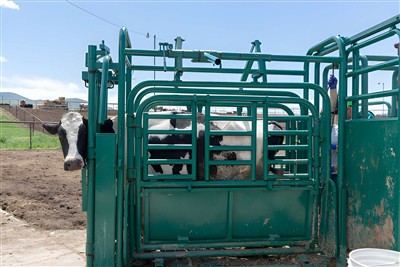
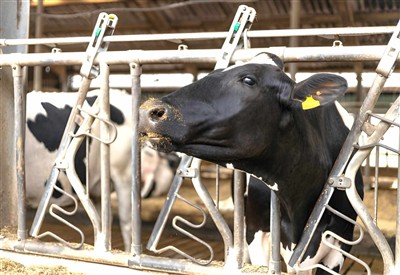
What is a cattle gate?
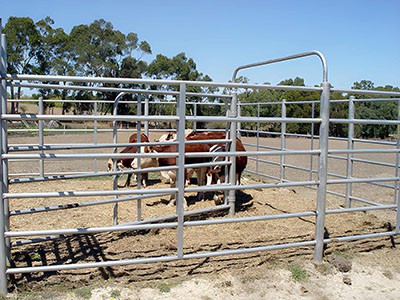
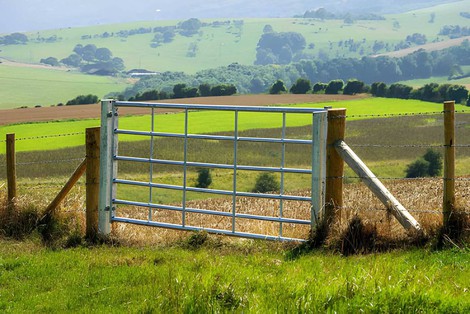
A cattle gate, also called a farm gate or livestock gate, is a sturdy barrier installed across a fence opening to control the movement of large animals such as cattle, horses, and hogs. Most cattle gates are made from galvanized steel or tubular metal, and they range in width from 8 feet to 20 feet or more to accommodate tractors and wide farm equipment.
Cattle gates differ from standard residential gates in their weight capacity, tube spacing, and post requirements. A typical steel gate can withstand the pressure of a 1,500-pound animal pushing against it, so the posts and hardware must be anchored firmly in the ground.
Tools and materials you need
Gather the following before you begin. Having everything on hand saves multiple trips and keeps the project moving efficiently.
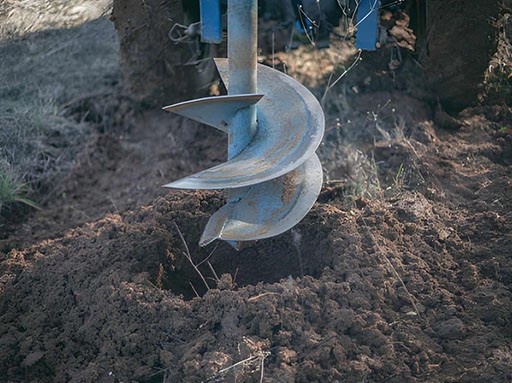
Post hole digger or auger
For setting gate posts to the correct depth
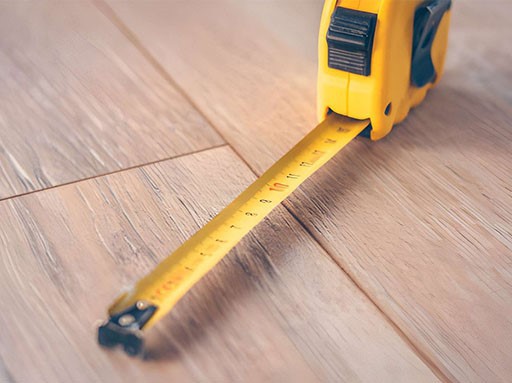
Tape measure
Measure gate width and post spacing precisely
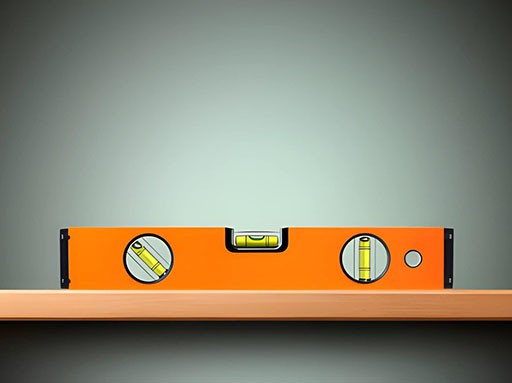
Level
Keeps posts and gate perfectly plumb and level
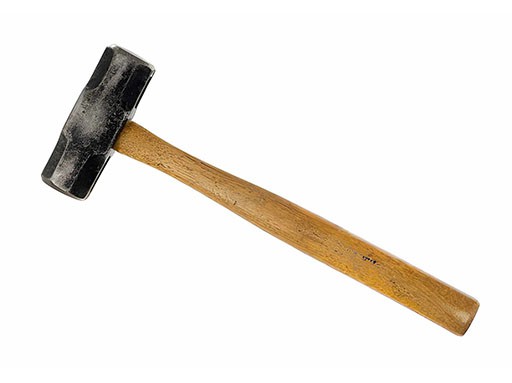
Sledgehammer
For driving posts if not using concrete
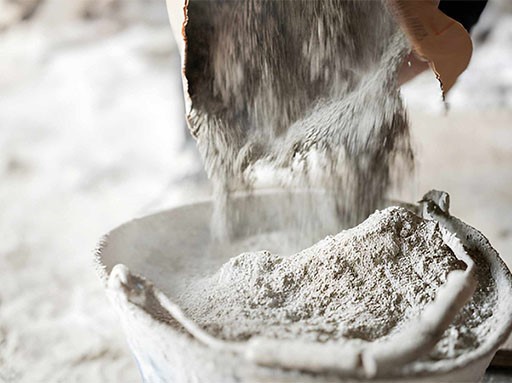
Concrete mix (2-3 bags per post)
Anchors posts against livestock pressure
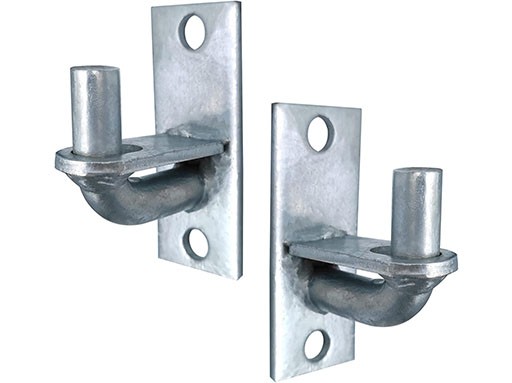
Gate hinges and latch hardware
Heavy-duty, rated for the gate weight
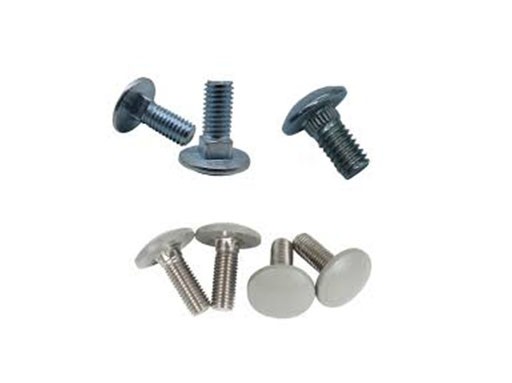
Lag screws or carriage bolts
Secure hinges to wooden posts
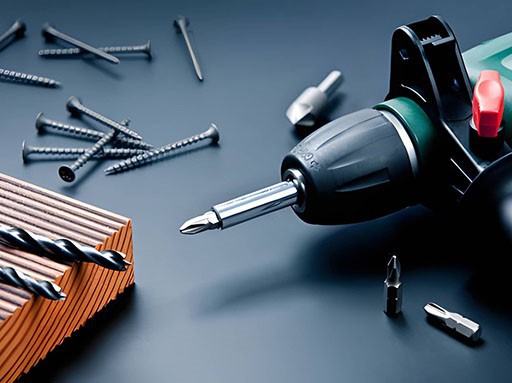
Drill and bits
Pre-drill to prevent post splitting

Safety gloves and glasses
Always wear PPE when working with metal
How to choose the right cattle gate
Gate width
Match gate width to your widest piece of equipment plus at least 18 inches of clearance on each side. A 12-foot gate works for most standard tractors, while a 16-foot or 20-foot gate is better for large combines or trailers.
Gate material
Galvanized tubular steel is the most common choice. It resists rust, handles repeated animal contact, and typically lasts 20 or more years with basic maintenance. Aluminum gates weigh less but may bend under heavy livestock pressure. Wooden gates suit lighter applications but require more upkeep in wet climates.
Number of rails
A gate with more rails has smaller openings between them, which prevents calves and smaller animals from squeezing through. For cattle only, a 4-rail or 5-rail gate at 50 inches tall is standard. For mixed livestock that includes smaller animals, choose a 6-rail or 8-rail gate.
Step-by-step cattle gate installation
1:Mark the gate opening
Use stakes and string to mark the exact center of the opening. Measure the gate width, then add 6 to 8 inches to get your post-center-to-post-center spacing. This gap accommodates the hinge offset and allows the gate to swing without scraping the ground.
2:Dig the post holes
Dig each hole to a depth of at least one-third the total post length. For a standard 6-foot post, that means a 24-inch hole minimum. In frost-prone regions, dig below the frost line (typically 36 to 48 inches deep) to prevent heaving. The hole diameter should be 3 times the post diameter for a solid concrete collar.
3:Set and plumb the hinge post first
Place the hinge post in its hole. Use a level on two adjacent sides to confirm it is perfectly vertical. Have a helper hold it plumb while you mix and pour the concrete. Fill the hole to about 2 inches below grade, then slope the concrete slightly away from the post to direct water runoff.
4:Set the latch post
With the hinge post in place, hold the gate against it temporarily and mark where the latch post should sit. Set and plumb the latch post the same way. Measure diagonally from the top of one post to the bottom of the other and compare both diagonal measurements. Equal diagonal measurements confirm the opening is square.
5:Attach the hinges to the post
Position the bottom hinge approximately 12 inches from the ground and the top hinge 12 inches from the top rail of the gate. For wooden posts, pre-drill pilot holes and use 1/2-inch carriage bolts with washers and nuts. For steel posts, weld or bolt on hinge cups rated for the gate weight
6:Hang the gate
Lift the gate and drop the hinge pins into the hinge cups on the post. For heavy gates, use a jack stand or a block of wood under the free end to hold it at the correct height while you seat the pins. Check that the gate hangs level with a consistent clearance of 4 to 6 inches above the ground.
7:Install the latch
Swing the gate to the closed position and mark the latch location on the latch post. A bull snap, chain latch, or slam latch all work well for cattle gates. Mount the latch bracket, then test the gate several times to confirm it swings freely and latches securely without lifting or forcing.
8:Adjust and tighten all hardware
Swing the gate fully open and fully closed several times. Tighten any loose bolts, and apply a thread-locking compound to hardware that vibrates in high-traffic openings. Confirm the gate does not sag or drag at any point in its swing arc.
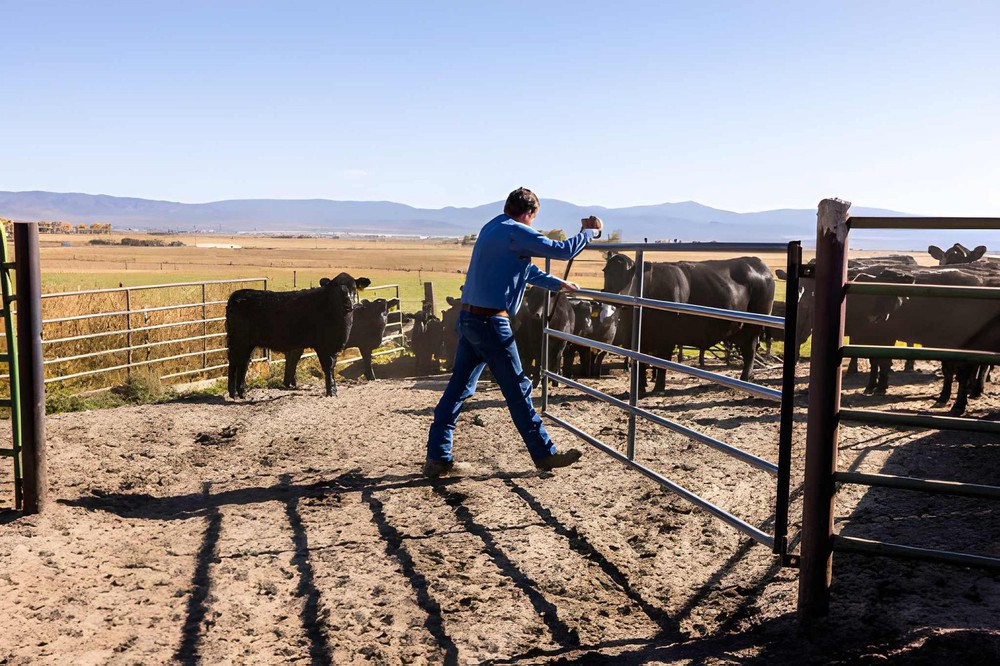
WATCH OUT
Shallow post holes are the top reason cattle gates fail. Any post set less than 24 inches deep will tilt under repeated animal pressure, causing the gate to sag and eventually bind or fall open.
Cattle gate maintenance tips
A well-maintained gate lasts decades. Follow these habits to extend its service life:
Lubricate hinge pins with grease or heavy oil once per year, or any time you hear squeaking. Inspect all bolts each spring before the busy season and retighten anything that has worked loose over winter. Touch up any chips or scratches in galvanized coating with cold galvanizing spray to prevent rust from spreading. If a steel gate develops surface rust, wire-brush the affected area, apply a rust converter, and repaint with a metal-rated enamel.
Check post concrete annually by pushing against the post with your shoulder. Any visible rocking means the concrete anchor has cracked or shifted and should be repaired before the next season.
FAQ
01.How deep should cattle gate posts be set?
Gate posts should be set to a minimum depth of one-third of their total length, or at least 24 inches for a standard 6-foot post. In areas with deep frost, dig below the local frost line, which can be 36 to 48 inches or more in northern climates.
02.What size gate do I need for a tractor?
Most compact and mid-size tractors fit through a 12-foot gate with comfortable clearance. If you use a full-size row crop tractor or regularly pull a wide trailer, a 16-foot gate is the safer choice. Add at least 18 inches to your widest implement width when sizing a gate.
03.Can I install a cattle gate without concrete?
You can drive steel T-posts with a post driver for temporary setups, but for a permanent cattle gate, concrete is strongly recommended. Livestock pressure and repeated gate swings will eventually loosen an ungrouted post, leading to alignment problems and security failures.
04.How do I keep a cattle gate from sagging?
The most effective way to prevent sag is to use heavy-duty hinges properly spaced (top and bottom of the gate), set posts deep in concrete, and add an anti-sag kit or diagonal brace wire for gates wider than 14 feet. Check and retighten hinge bolts annually.
05.What is the best material for a cattle gate?
Galvanized tubular steel is the most popular choice for cattle gates because it combines high strength, resistance to corrosion, and a long service life. Aluminum gates weigh significantly less, which makes them easier to swing, but they are more prone to bending when animals lean or push against them.