The right livestock feeder is one of the highest-return purchases on any ranch or farm. A quality round bale feeder alone can cut hay waste by 30–50%, paying for itself in a single season. Whether you manage beef cattle, horses, sheep, goats, or a mixed operation, this guide identifies the ten best feeders available in 2026 - ranked by durability, waste reduction, safety, and value - with detailed reviews and a complete buyer's guide at the end.
30–50%
HAY SAVINGS WITH QUALITY ROUND BALE FEEDERS
30 days
BETWEEN REFILLS ON TOP SELF-REGULATING GRAIN FEEDERS
30 yrs
LIFESPAN OF PREMIUM GALVANIZED FEEDERS
The 10 best livestock feeders of 2026
01:Best HaySaver Round Bale Feeder
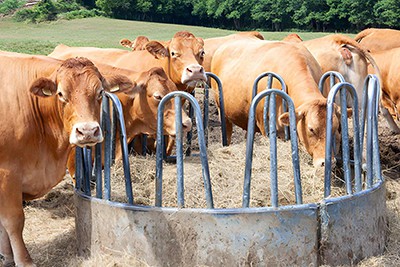
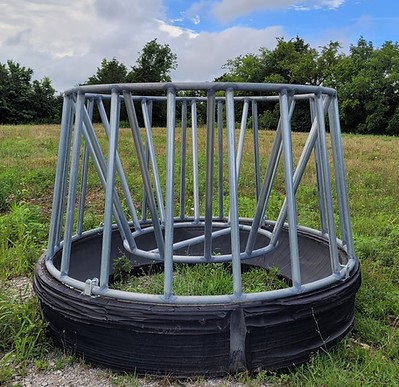
The Best HaySaver is the gold standard of round bale feeders and earns the top spot in this list. Built from 13 and 14-gauge 2-inch galvanized tube - significantly heavier than most competing products - and featuring a corrosion-proof mining tire base, this feeder is engineered to outlast a typical bale ring around ten times over. Galvanized inside and out with galvanized paint on the welds, it resists the corrosive barn environment far better than painted steel alternatives. All tubes are vented so that moisture can drain, preventing freezing and splitting and rusting from the inside out.
The real-world performance data is compelling. Ranchers consistently report saving at least 30% of their hay after switching to the HaySaver, with some reporting 50% savings compared to open bale feeding. It fits 5-foot or smaller round bales in the 6.5-foot model, and all round and big square bales in the 8.5-foot model. The notched and welded one-piece construction makes it significantly stronger than bolt-together competitors.
PROS
Unmatched build quality and lifespan
30–50% documented hay waste reduction
Works for cattle, horses, sheep, and goats
Vented tubes prevent internal rusting
Available in multiple sizes
CONS
Higher upfront cost than chain-store rings
Significant freight cost due to weight
BEST FORO
perations feeding multiple species from a single feeder, or any producer who has gone through two or more cheap bale rings and is ready to buy one feeder that will last a working lifetime.
02:Tarter Titan Bull Hay Feeder
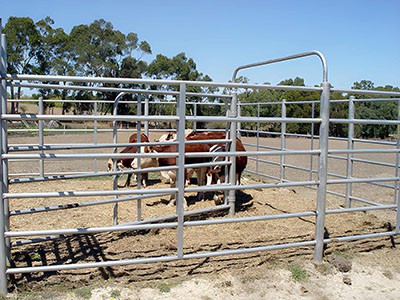
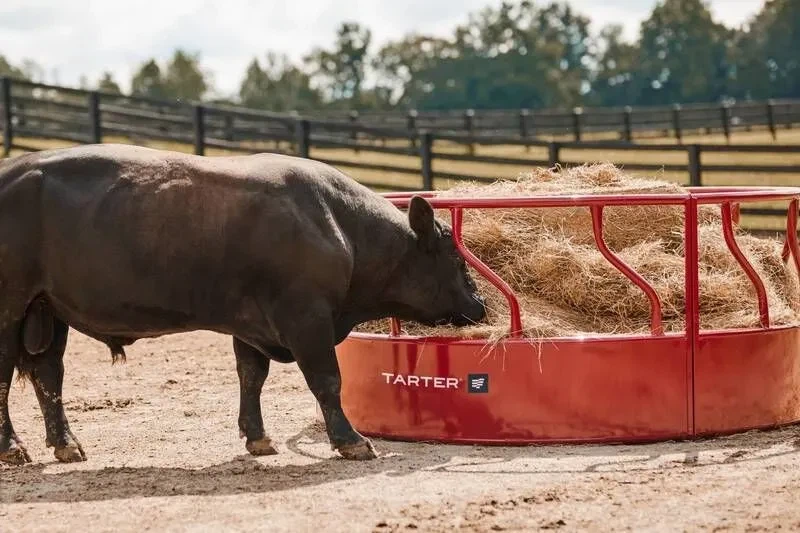
Designed specifically for large round bale feeding to cattle in the harshest environments with herds and animals of all sizes, the Tarter Titan Bull Hay Feeder is the toughest feeder in Tarter's extensive product range. Constructed with 2-inch round high-tensile strength steel tubing and featuring a built-in Hay Saver ring for feed savings, it is purpose-built to withstand the punishment delivered by bulls - the most destructive animals any feeder will encounter.
The Titan's design also prevents costly hay loss through its skirted base, which catches falling hay and forces cattle to consume what they pull from the bale rather than trampling it underfoot. Tarter is one of the most respected names in American farm equipment, and the Titan represents the pinnacle of their cattle feeder lineup. It is available in Tarter's durable corrosion-resistant powder coat finish.
PROS
Built specifically for bulls and large cattle
Hay Saver ring reduces feed waste
2" high-tensile steel construction
Handles the harshest environments
CONS
Cattle-only design (not safe for horses)
Heavier weight makes relocation harder
03:Priefert Heavy-Duty Round Bale Feeder
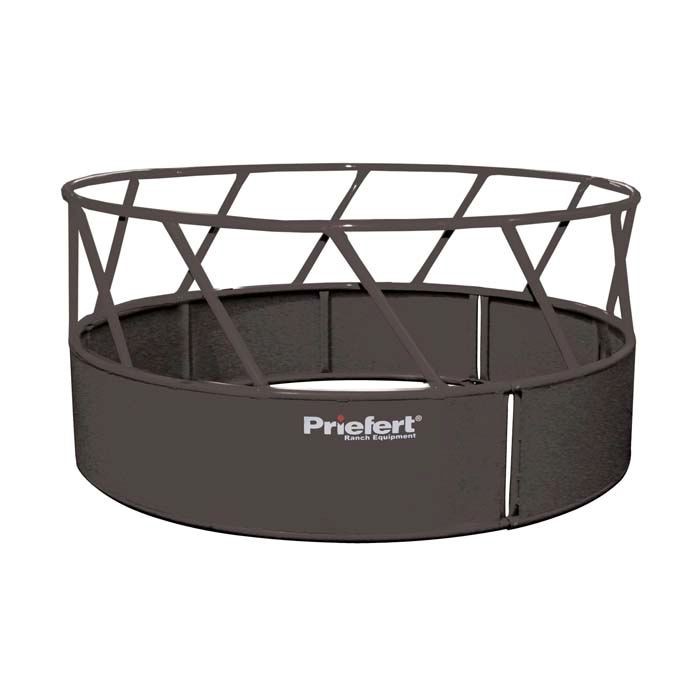
Priefert's round bale feeder line is one of the most trusted in North America, designed to be completely free of head and foot traps - one of the leading causes of livestock injury at feeding stations. The slanted top rail design helps ensure that cattle keep their heads in the feeder while eating, eliminating costly hay loss without using a skirted base that can trap manure and moisture.
Priefert offers this feeder with a skirted version sheeted 17 inches up from the ground for producers who want additional hay waste reduction. The three curved pieces assemble quickly and easily with included bolts and nuts, making it the easiest round bale feeder in this list to move and reassemble as your feeding needs change. The feeder is available in both powder-coated and galvanized finishes, with galvanized providing significantly longer service life in wet conditions.
PROS
Trap-free design - a key safety feature
Easy 3-piece assembly and relocation
Skirted version for extra waste reduction
Made in the USA, widely available
CONS
Bolt-together is less rigid than welded designs
Hardware can loosen over time under heavy use
04:Advantage Feeders Self-Regulating Grain & Pellet Feeder
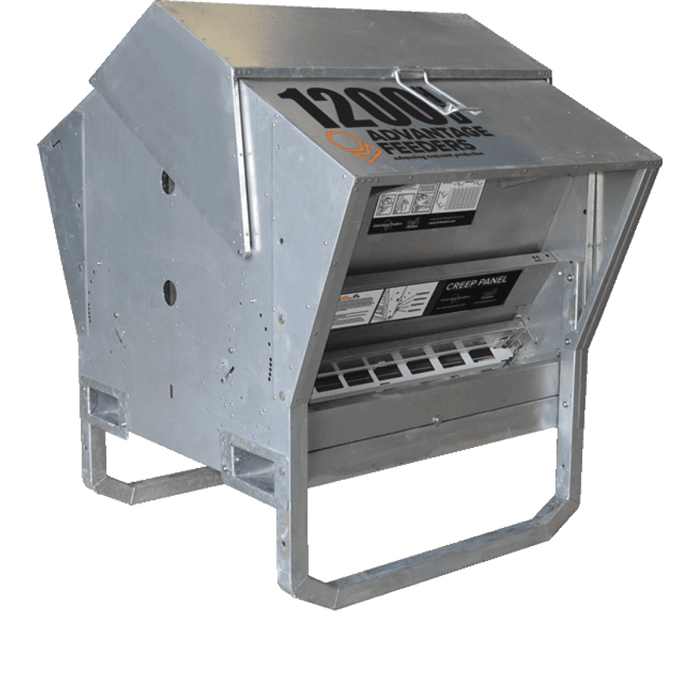
The Advantage Feeder is the most technically sophisticated grain and pellet feeder in this list. Its patented 3-way restriction system - combining an Upper Adjuster, Lower Adjuster, and Adjuster Guard - controls the height, width, and depth of where feed sits, making it the most precise ration control method commercially available. In a restricted setting, animals require saliva on their tongue to lick the feed, and once the saliva dries they cannot consume more. This completely eliminates overeating, acidosis risk, and bossy-animal dominance at the feeder.
Feeders need to be filled only every 30 days, making it ideal for operations where daily feeding labor is limited. The design has been shown to help keep pH in the rumen more balanced, benefiting overall animal health and maximizing pasture utilization. The feeder ships with creep panels as standard for lamb and kid feeding, and optional creep gates allow calf creep feeding as well.
PROS
Zero grain waste by design
30-day fill interval reduces labor significantly
Prevents acidosis and bossy-animal feeding
Works for cattle, sheep, and goats
Creep panels included as standard
CONS
Higher price point than basic bunks
Animals need adaptation time (1–2 weeks)
Limited to loose, dry feeds - no wet TMR
BEST FOR
Producers supplementing grain on pasture who want to eliminate waste, reduce labor, and prevent digestive issues - especially useful on operations running cattle and sheep together.
05:Tarter 10' Heavy-Duty Bunk Feeder
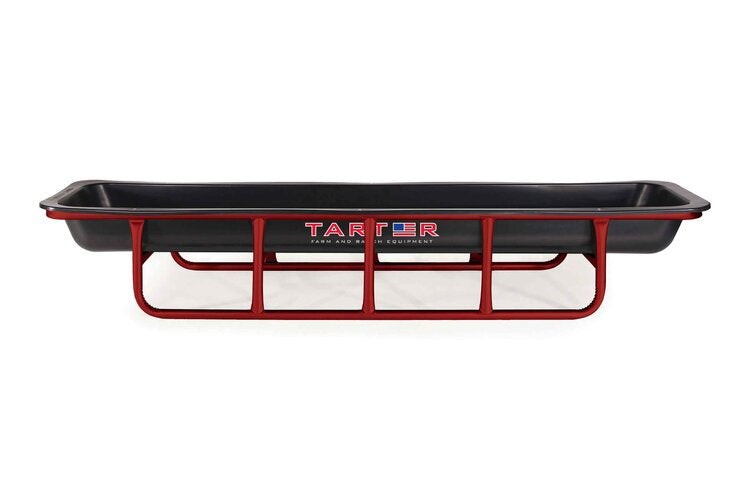
Tarter's 10-foot Heavy-Duty Bunk Feeder is the industry leader in design and quality for linear bunk feeding - the standard method for confinement feeding operations, weaning pens, and anywhere animals need defined access to grain, silage, or hay. The 1-3/4-inch tubular steel frame and replaceable poly liner combination makes this feeder both rugged and practical: when the liner eventually wears, it can be replaced without purchasing a new frame.
Available in 5-foot and 10-foot lengths, multiple units can be lined up end to end to provide sufficient bunk space for large groups. Both galvanized and corrosion-resistant red powder coat finishes are available. This feeder is compatible with cattle, horses, sheep, goats, and hogs, making it one of the most versatile entries in this list for mixed-species or transitional operations.
PROS
Replaceable poly liner extends overall lifespan
Modular design - units line up easily
Works for cattle, horses, goats, and hogs
Industry-leading quality for bunk feeders
CONS
Requires regular access for daily feeding
No built-in weather protection for feed
06:Priefert Creep Feeder with Calf Pass Panels
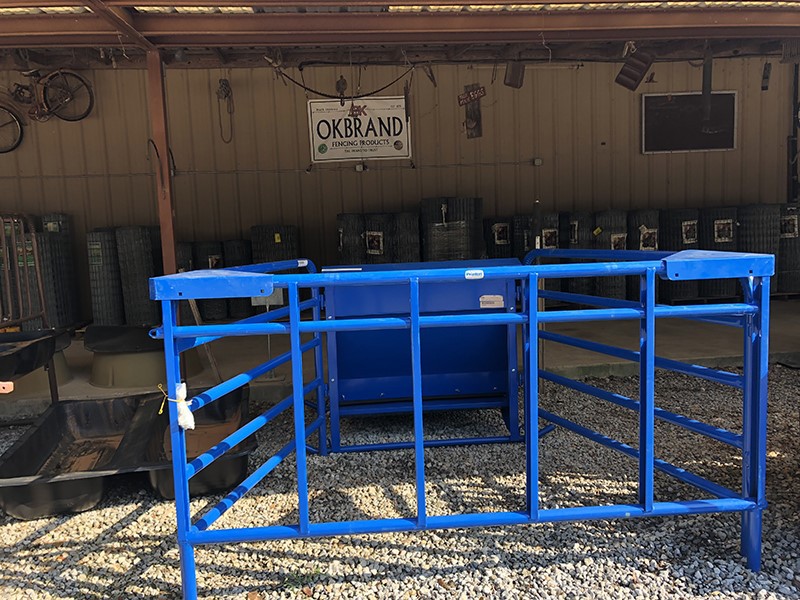
Creep feeding calves before weaning is one of the most cost-effective ways to add pounds and maximize growth rate in a calf crop, and the Priefert Creep Feeder is the most refined product in this category on the American market. The Calf Pass Panels can be adjusted to fit various calf sizes by raising or lowering the horizontal bar, allowing calves to enter while completely restricting cows. Feed can be quickly and easily loaded by sliding open the top of the feeder, and the galvanized steel construction with powder coat ensures a long working life in harsh outdoor conditions.
This feeder provides a continuous free flow of feed, meaning calves can self-feed at will without competition from adult animals. The ROI on a quality creep feeder is well established: calves consuming supplemental creep feed consistently reach weaning weight sooner and transition more smoothly to post-weaning feeding programs.
PROS
Adjustable bars fit a range of calf sizes
Continuous free-flow feeding for maximum gain
Sliding top for fast, easy refilling
Proven ROI - adds pounds before weaning
CONS
Single-purpose - only useful pre-weaning
Requires monitoring so calves don't overeat on high-starch feeds
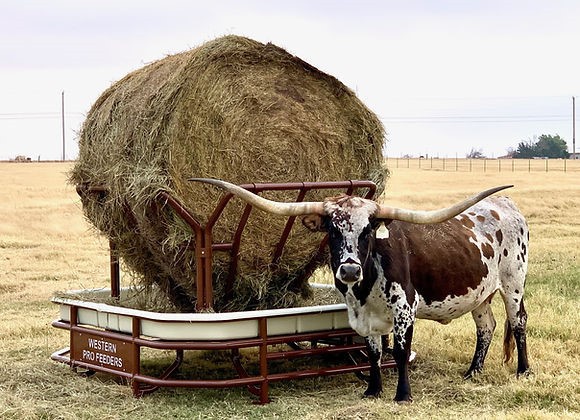
07:Western Pro Feeders - The Horseman
The Horseman by Western Pro Feeders addresses one of the most important distinctions in round bale feeder design: most cattle feeders are unsafe for horses, with curved or angled rails that can catch manes, tails, or shoes. The Horseman's straight-pipe construction and tall profile prevents mane rubbing and is specifically tested safe for horses, including draft breeds. It also accepts both round and square bales, a rare combination that gives it significant operational flexibility.
Customer results have been consistent: owners typically report a reduction from a bale lasting two days to three days - roughly a 33% reduction in hay consumption - after switching to the Western Pro system. The feeder is built stout enough for bulls, while remaining safe for horses, and is easy enough for a single person to move across a pasture. Its recent appearance on the Yellowstone TV show on Paramount Network has significantly raised its profile among equine-focused ranchers.
PROS
Genuinely safe for horses - no mane or leg traps
Accepts round and square bales
Strong enough for bulls
One person can move and manage it
CONS
Premium price for the dual horse/cattle capability
Limited dealer availability in some regions
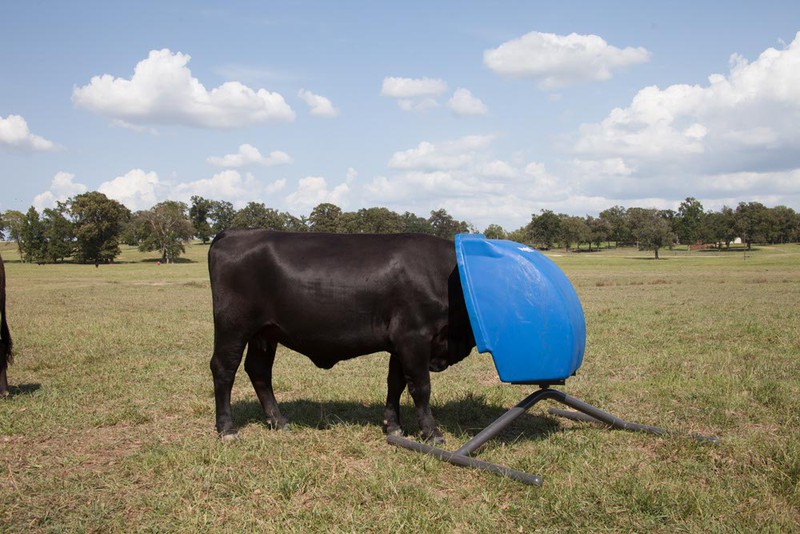
08:Priefert Weather Vane Mineral Feeder
Mineral supplementation is a non-negotiable part of cattle nutrition, and feed waste through weather exposure is the number one reason mineral feeders fail to deliver their full value. Priefert's Weather Vane Feeder solves this elegantly: the molded plastic feed tub rotates with the wind so the opening always faces downwind, automatically sheltering the mineral from rain and snow without any manual adjustment by the producer.
The durable UV-resistant tub features two bins with a total feed capacity of 25 to 30 pounds, and is rated to withstand freezing temperatures down to –40°F - critical for operations in northern climates where conventional mineral feeders freeze solid in winter. The 53-inch steel base is designed to stand up to the wear and tear of pastured cattle, resisting tipping from curious animals nudging the unit.
PROS
Wind-vane rotation protects minerals from weather
Rated to –40°F for cold climates
Two separate compartments for different minerals
Wide base prevents tipping
CONS
Relatively small 25–30 lb capacity
Rotation mechanism requires occasional maintenance
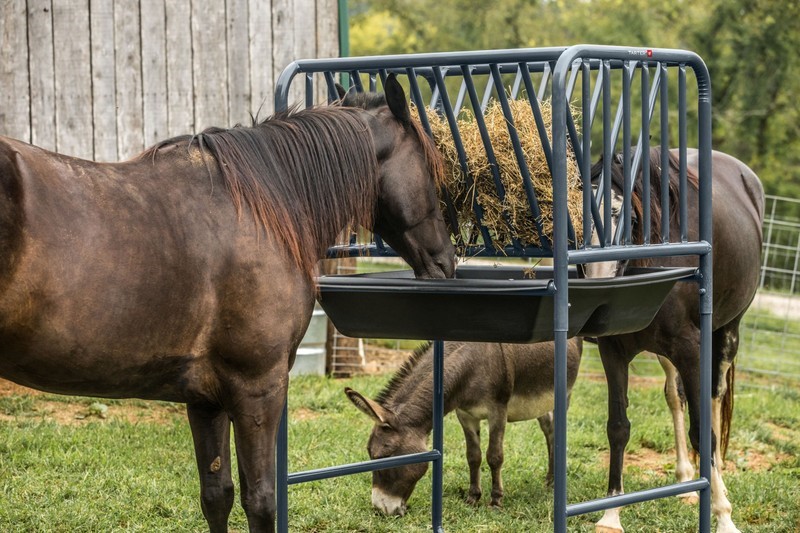
09:Tarter Adjustable Hay & Grain Feeder
Tarter's Adjustable Hay and Grain Feeder is the most versatile small-to-medium livestock feeder in this list, combining a V-shaped hay rack with a grain trough in a single unit that adjusts in height from 50 to 77 inches. This range of adjustment makes it suitable for goats and sheep at the lower setting, calves in the mid-range, and full-size horses at the upper setting - allowing a single feeder to serve different animal types across the lifecycle of your operation.
The V-shaped hay rack design provides stability and helps prevent hay waste, while the trough below catches any hay before it hits the ground. The poly trough comes with drain holes, preventing water from pooling after rain, and Tarter's E-coat finish provides reliable rust protection in all weather conditions. This is the ideal feeder for small-scale or diversified operations where a single multi-function unit delivers the most value per dollar spent.
PROS
Adjustable height serves goats through horses
Hay and grain feeding in a single unit
V-rack design reduces hay waste
Drain holes prevent water pooling
CONS
Limited capacity for large herds
Lighter construction than bull-rated feeders
BEST FOR
Small farms, homesteads, and diversified operations managing goats, sheep, and calves together, or anyone needing a single adjustable feeder that grows with changing herd composition.
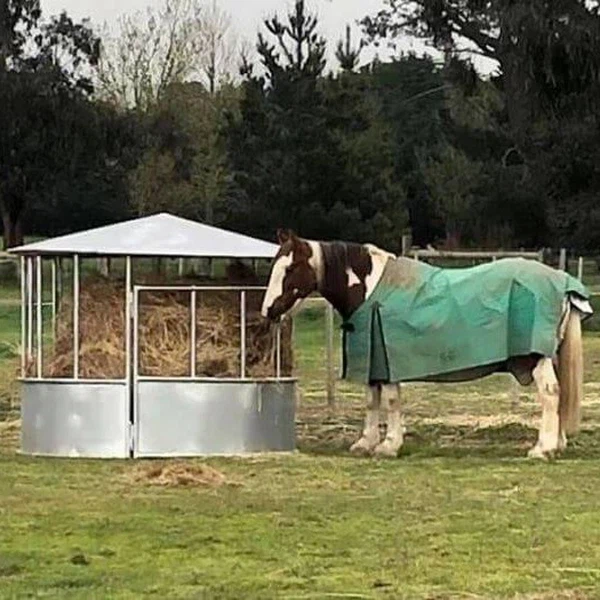
10: Honde Round Hay Feeder With Covered
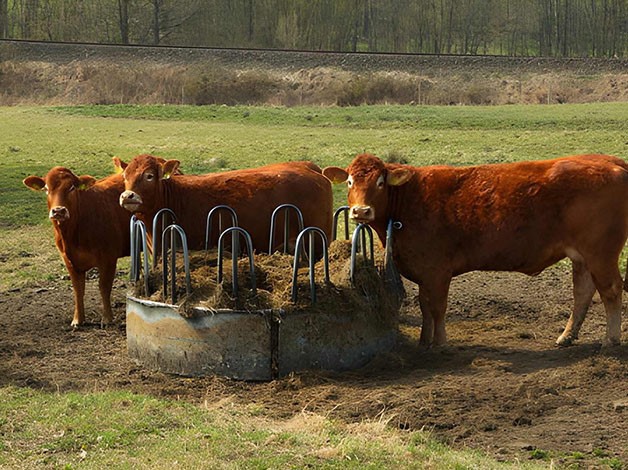
Round bales are an easy way of providing feed for either your cattle or horses. Feeders are an essential way to decrease trampling of hay and
decrease wastage. The enclosed bottom on the feeder also ensures less trampling and less potential for damage/trapping of hooves.The round bale feeder come in 3 sections with pins to lock each segment in place. This allows for easy relocation of feeder in your paddock.
The heavy-duty steel roof protects hay from rain, snow, and sun damage, preventing mold growth and ensuring your cattle always have access to high-quality forage.
Pros
Weather Protection
Significant Waste Reduction
Long-term Savings
Cons
Higher Initial Cost
Increased Weight & Bulk
Loading Difficulty
FAQ
What is the best livestock feeder to reduce hay waste?
Round bale feeders with hay saver rings or skirted bases reduce hay waste by 30–50% compared to open feeding on the ground. The Best HaySaver and Tarter Titan Bull Hay Feeder are consistently rated highest for waste reduction in cattle operations. A feeder that saves 30% of your hay on a 50-cow operation typically pays for itself within one feeding season.
What is a creep feeder and how does it work?
A creep feeder is a feeding station that allows young calves, lambs, or kids to access supplemental feed while excluding adult animals through adjustable bar openings sized for small animals only. Creep feeding calves before weaning is one of the most cost-effective ways to add pounds and maximize growth rate in a calf crop. The Priefert Creep Feeder with Calf Pass Panels is the top-rated option in this category.
How many cattle can one round bale feeder serve?
A standard 8-foot diameter round bale feeder comfortably serves 10 to 15 cattle at one time. Larger 8.5-foot diameter models can accommodate up to 20 head. Overcrowding a feeder increases competition, stress, and hay waste, so it is more efficient to add a second feeder than to crowd more animals around a single one.
What should I look for when buying a livestock feeder?
Key factors include the animal species and size, feeder material (galvanized steel outlasts painted steel significantly), waste reduction design, safety features (no head or foot traps), ease of relocating, and whether the feeder is designed for round bales, square bales, grain, or mineral supplements. Matching all six factors to your specific operation is what separates a one-time purchase from a recurring cost.