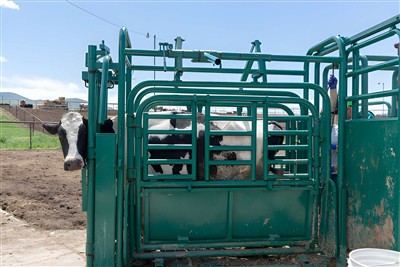
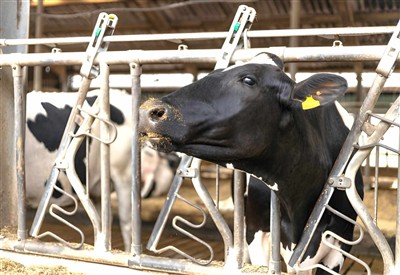
Cattle gate height is one of those decisions that looks simple until you've spent an afternoon chasing escaped heifers across a neighbor's field. The "standard" height varies meaningfully across gate types, cattle breeds, and use cases - and getting it wrong in a high-pressure area like a crowding pen or bull pasture costs more than just time.
The Short Answer: Standard Cattle Gate Heights
Most cattle gates sold in North America fall into a height range of 48 to 72 inches (4 to 6 feet). The most common off-the-shelf height for general-purpose farm gates is 50 inches - enough for standard pasture containment of beef and dairy cattle in calm settings.
Higher gates (60–72 inches) are used in corral systems, sorting alleys, crowding pens, and anywhere cattle are under pressure or being handled. The stress of handling dramatically lowers the psychological barrier that keeps an animal from attempting to escape.
Height by Gate Type
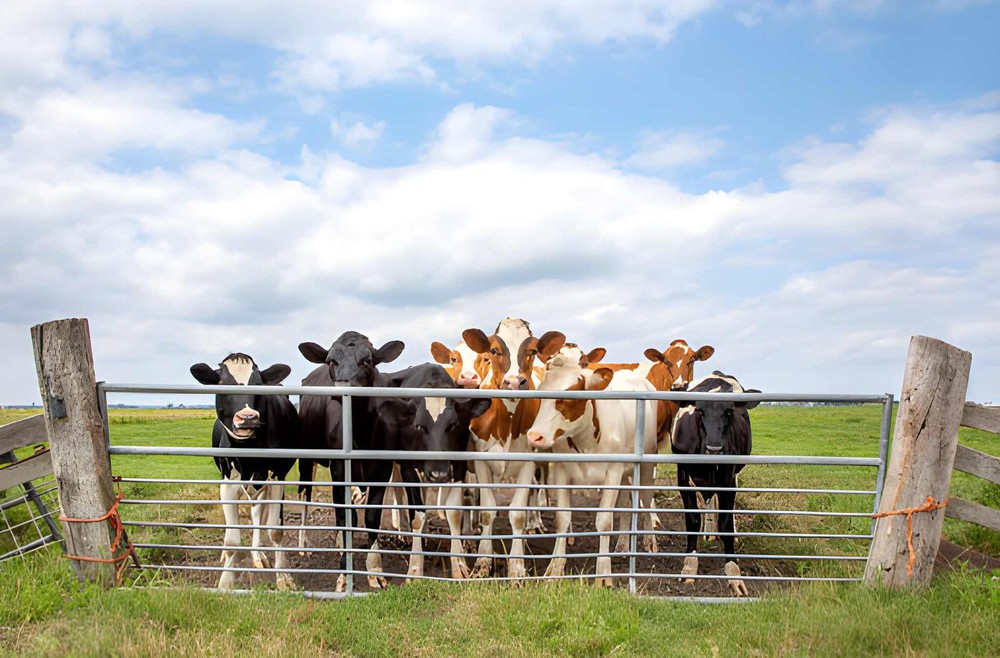
Cattle gates are made for very different jobs, and the right height differs substantially between a leisurely pasture entry and a high-pressure bull handling system. Here is a breakdown of every major gate category.
Pasture / Farm Gate
48–60 inches
The everyday workhorse. Most general-purpose steel farm gates from Tarter, GoBob, and similar manufacturers ship at a standard 50 inches. Used for pasture entries, driveways, and low-stress pen access. Widths range from 4 to 20 feet.
Corral / Heavy-Duty Gate
60–72 inches
Built for moderate to heavy use in corral settings where cattle are being moved, sorted, or held under pressure. Heavier wall tubing (1.9" OD or larger) resists bending from animal impact. Height at 60–72 inches accounts for stressed animals that challenge barriers.
Working Chute Gate
60–72 inches
Working chutes handling British breed cattle (Angus, Hereford) are typically 60 inches (5 feet) high. For larger exotic and continental breeds (Charolais, Simmental, Limousin), the recommended working chute height is 66–72 inches.
Bull / High-Containment Gate
72 inches
Bull pastures and any enclosure housing mature intact males require a minimum of 72 inches (6 feet). A motivated bull can breach shorter barriers - both by going through and by applying sustained lateral force that bends lighter gates over time.
Complete Height Reference Table
| GATE TYPE | STANDARD HEIGHT | TYPICAL WIDTH | BEST APPLICATION | DUTY RATING |
|---|---|---|---|---|
| Light Farm / Acreage Gate | 48" (4 ft) | 4–14 ft | Sheep, goats, light cattle | Light |
| Standard Pasture Gate | 50" (≈4 ft 2 in) | 8–20 ft | Beef cattle, dairy cows | Light–Medium |
| Farm / Multipurpose Gate | 60" (5 ft) | 8–20 ft | General cattle, horses | Medium |
| Corral Gate | 60–66" (5–5½ ft) | 4–16 ft | Sorting pens, pen entries | Medium–Heavy |
| Working Chute (British breeds) | 60" (5 ft) | 24–30" wide | Angus, Hereford, Shorthorn | Heavy |
| Working Chute (Exotic breeds) | 66–72" (5½–6 ft) | 26–30" wide | Charolais, Simmental, Limousin | Heavy |
| Hi-Hog Heavy-Duty Corral Gate | 70.5" (≈5 ft 10 in) | 4–20 ft | High-pressure corral work | Very Heavy |
| Bull / High-Containment Gate | 72" (6 ft) | 8–16 ft | Mature bulls, aggressive cattle | Very Heavy |
| Heights refer to gate panel height, not installed height above grade. Gates are typically mounted with the bottom rail 10–12 inches above ground level, raising the top of the gate an additional 10–12 inches. | ||||
Mounted height vs. gate height: A gate's listed height is the panel dimension, not the installed height above the ground. Gates are typically hung with the bottom rail 10–12 inches above grade. A 60-inch gate mounted 12 inches off the ground has its top rail at 72 inches - a full 6 feet above the soil. Always factor in mounting height when selecting gate specifications.
Gate Height Recommendations by Breed
Body size differs significantly across cattle breeds. A gate system designed around Angus cows will be undersized for Charolais bulls and overly engineered for Dexter cattle. The table below gives a practical starting point by breed group.
| BREED / CATEGORY | AVG. COW WEIGHT | PASTURE GATE | CORRAL / WORKING GATE |
|---|---|---|---|
| Dexter, Miniature breeds | 400–700 lbs | 42–48" | 48–54" |
| Angus, Hereford (British) | 1,000–1,400 lbs | 50–54" | 60" |
| Holstein, Dairy breeds | 1,200–1,500 lbs | 50–54" | 60" |
| Simmental, Limousin (Continental) | 1,300–1,700 lbs | 54–60" | 66–72" |
| Charolais, Chianina (Large Exotics) | 1,500–2,000 lbs | 60" | 72" |
| Mature bulls (any breed) | 1,600–2,400 lbs | 66–72" | 72" |
What About Gate Width?
Height gets the most attention, but width is equally important for cattle flow and equipment access. The most common cattle gate widths are:
8 ft: Small pen entries, foot-traffic areas, tight corral connections
10–12 ft: Standard pasture gate, accommodates most ATVs and small tractors
14–16 ft: Primary farm entrance, wide tractor and equipment access, main corral gates
20 ft: Large equipment passage, combine and semi-trailer access, wide pen entries
Rule of thumb: Size your widest gate to the widest piece of equipment that needs to pass through it - plus 2 feet on each side as clearance. A 12-foot tractor with a front loader needs a 16-foot gate minimum for comfortable, safe passage.
Material and Duty Rating Affect Effective Height
A 60-inch gate built with 1.5-inch, 14-gauge tubing is not the same as a 60-inch gate built with 2-inch, 10-gauge tubing. Lighter gates flex and sag under repeated animal pressure, effectively reducing their containment height and width as they deform over time. In high-pressure areas, gate weight per foot of length matters as much as nominal height.
For general reference, Mother Earth News and Tarter's own product documentation suggest that a 2-inch diameter heavy-duty gate (such as a 12-foot gate at 62 inches tall and 118 pounds) is the appropriate choice for high-containment and high-traffic areas, while lighter gates are sufficient for the majority of property applications.
Mounting Hardware and Sag
Even a correctly sized gate loses effective height if it sags at the latch end. Wide gates (16–20 feet) are especially vulnerable. When shopping, look for through-bolt hinge designs with full-encirclement hinge collars, not welded or bolted hinge plates. GoBob, Hi-Hog, and Tarter all offer systems designed to prevent sag across long spans through engineered diagonal bracing or heavy-wall frame tubing.
3 Common Height Mistakes
1. Using Pasture-Height Gates in Handling Areas
A 50-inch gate that works fine for a calm grazing pasture entry will fail in a crowding pen or working alley. Cattle under handling stress behave differently than cattle at grass - a cow that would never challenge a 50-inch gate in a pasture may go right over one in a crowding pen. Use at least 60 inches in any area where cattle are being worked.
2. Forgetting the Mounted Height Addition
Many producers order a gate based on its listed height without accounting for how it will be mounted. A 50-inch gate mounted 12 inches above grade clears 62 inches at the top - sometimes enough to make the difference. Conversely, a gate mounted only 2–3 inches off the ground may allow an animal to work a foot under it and crawl through. The standard mounting height of 10–12 inches above grade keeps animals from ducking under while still preventing trip hazards.
3. Using the Same Gate Height for Bulls and Cows
A mature bull that is motivated - by a cow in heat or a perceived rival - will test any barrier. The rule is straightforward: any enclosure that regularly houses a mature bull should have a minimum 72-inch fence and gate height, built with heavy-duty materials and solid post anchoring. This is not an area to economize.
FAQ
01.How tall is a standard cattle gate?
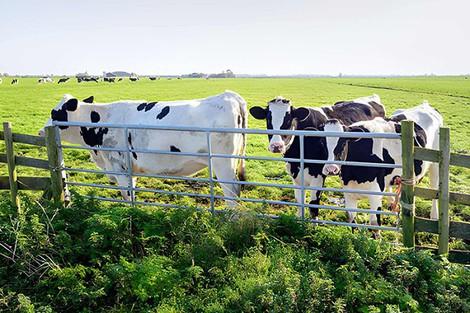
Most standard cattle pasture gates are 50 inches tall (approximately 4 feet 2 inches). Heavy-duty corral and high-containment gates typically run 60 to 72 inches (5 to 6 feet). Working chute gates for British breeds are 60 inches; exotic and large continental breeds need 66–72 inches.
02.Can cattle jump a 4-foot gate?
Yes. Healthy beef cattle can clear a 4-foot (48-inch) barrier when motivated. Most extension livestock housing guidelines recommend a minimum of 50–54 inches for pasture containment of beef cattle to provide an adequate safety margin. In working and high-stress areas, 60–72 inches is the standard.
03.What height gate do I need for a bull pasture?
A minimum of 72 inches (6 feet) for any enclosure regularly housing a mature bull. The fence line itself should match this height, and post spacing should be tighter than a standard cow pasture to resist sustained lateral force.
04.How tall is a working chute gate for beef cattle?
University of Tennessee Extension recommends working chutes be 60 inches (5 feet) high for British breed cattle like Angus and Hereford, and 66–72 inches (5½ to 6 feet) for exotic or large continental breeds like Charolais, Simmental, and Limousin.
05.What is the standard width of a cattle gate?
Common widths for cattle gates range from 8 to 20 feet. A 12-foot gate is considered a standard farm entry, accommodating most tractors and farm equipment. Main cattle pen entries typically use 14–16 foot gates. Gates are commonly available in 2-foot increments from 4 to 20 feet.
06.Does gate height include the mounting clearance above ground?
No. A gate's listed height is the panel dimension only. Gates are typically mounted with the bottom rail 10–12 inches above grade. A 60-inch gate mounted 12 inches off the ground has its top rail at 72 inches above ground. Always add your intended mounting height to the gate's nominal height when assessing containment.