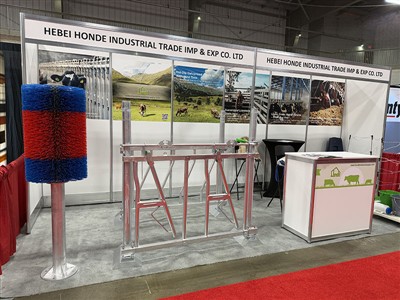
What Is a Cattle Gate Used For?
A cattle gate is a movable barrier installed in a fence line or livestock enclosure to control where cattle can enter, leave, or move between different areas. It is an essential part of a cattle corral, pasture, barn, or handling system because it provides access while keeping the surrounding enclosure secure.
Unlike a fixed fence panel, a cattle gate can be opened when cattle need to move through and closed afterward. This makes daily farm tasks easier, including moving cattle between pastures, separating groups, accessing feeding areas, and bringing animals into a handling or loading area.
The right gate should do more than simply close an opening. It needs to match the passage, connect properly with the surrounding fence, and provide a suitable barrier for the cattle being managed. For example, a gate used at a large outdoor pasture entrance may need a different design from one installed inside a barn or a smaller cattle yard.
When planning a cattle enclosure, it is important to consider gates together with the fence panels and the overall layout. A well-positioned gate makes it easier to manage cattle without creating unnecessary movement or access problems.
What Are the Different Types of Cattle Gates?
Cattle gates can be classified by their structure, adjustment design, and intended application. These features are not always mutually exclusive. For example, a fixed-size gate can also have a heavy-duty frame and a galvanized finish. Understanding these differences helps buyers choose a gate based on the actual requirements of their farm rather than relying on product names alone.
Fixed-Size Cattle Gates
A fixed-size cattle gate is manufactured for a specific opening width and height. It is a straightforward option for farms where fence posts and entrance dimensions have already been determined.
For example, a 16 ft cattle gate is designed for a wider entrance where a matching fixed-size opening is available. Once the required dimensions are confirmed, buyers can select a gate that fits the existing fence layout without needing an adjustable structure.
Fixed-size gates are suitable for standard pasture entrances, cattle yards, and other livestock areas where the opening is unlikely to change. If the opening dimensions are uncertain, however, an adjustable model may offer more flexibility.

Adjustable Cattle Gates
An adjustable cattle gate is designed to accommodate different opening widths within its adjustment range. This makes it useful for farms with non-standard fence openings or installation conditions that require additional flexibility.
The product range includes both 4-bar and 5-bar adjustable cattle gate designs. The main difference between these models is their rail arrangement, while certain models also feature adjustable fittings to help with gate positioning and levelling.
Compared with a fixed-size gate, an adjustable model gives buyers more flexibility when fitting a gate into an existing fence line. It can be particularly useful when replacing old gates or installing gates across several openings with slightly different dimensions.
Before ordering, buyers should confirm the gate's adjustment range and make sure it is compatible with the available posts and mounting points.

How Do You Choose the Right Size Cattle Gate?
Gate size is one of the first details to check before purchasing. A gate that is too short may leave an unsuitable opening, while one that is too long may not fit the available space or work properly with the fence posts.
Start by measuring the clear distance between the two points where the gate will be installed. Measure the opening at the intended gate height rather than relying only on an estimated fence-line length. If the ground slopes or the posts are uneven, check whether the gate needs an adjustment feature or special installation planning.
Next, consider how cattle and farm equipment will pass through the opening. A narrow gate may be sufficient for a smaller enclosure, but a main pasture entrance or cattle yard access point may need more width. If tractors, feed equipment, or other farm vehicles will also use the entrance, include their clearance requirements in the measurement.
The gate height matters as well. It should fit the surrounding fence and provide a suitable barrier for the animals being contained. A gate should not be selected based on height alone; compare it with the existing fence design and the intended application.
If the opening is not a standard size, an adjustable cattle gate may be more practical than trying to fit a fixed-length model. For a fixed opening, a standard-size gate can be a simpler option.
Are Adjustable Cattle Gates Better Than Fixed Gates?
Neither design is the best choice for every farm, but adjustable cattle gates offer a clear advantage when installation dimensions are uncertain or vary between locations.
An adjustable model can accommodate a range of opening widths, reducing the need to find an exact standard size. It is particularly useful when replacing an old gate, installing gates across several existing openings, or working with fence lines that were not built to uniform dimensions.
A fixed cattle gate is usually the more direct choice when the opening has already been measured and the required size is available. There is no need to pay for an adjustment range that the installation does not require.
For this reason, the decision should start with the opening rather than the product name. If the opening is standard and unlikely to change, choose a matching fixed-size gate. If the width may vary or the installation needs levelling adjustment, an adjustable model is worth considering.
Is a Galvanized Cattle Gate a Good Choice for Outdoor Use?
Yes. For most permanent outdoor cattle enclosures, a hot-dip galvanized cattle gate is a practical choice because its zinc coating helps protect the steel from corrosion caused by moisture and weather exposure.
Outdoor gates are regularly exposed to rain, humidity, and mud. Hot-dip galvanizing provides a protective coating over the steel surface, helping it withstand these conditions better than unprotected steel. This makes galvanized gates suitable for many pasture entrances, cattle yards, and barn areas.
The hot-dip galvanized cattle barn gate in this product range is made from galvanized steel pipe and is designed for cattle and horses. It can be used in livestock areas where a protective surface finish is important.
Even with galvanizing, regular inspection is still worthwhile. Pay particular attention to hinges, joints, and areas where the coating may have been damaged. Keeping these parts in good condition helps maintain the gate's performance over time.
How Do You Plan a Cattle Gate Layout?
A cattle gate should be planned as part of the entire cattle corral or fencing system, not treated as an isolated product. Its position affects how cattle enter and leave an enclosure, how workers access different areas, and how easily the farm can carry out daily tasks.
First, identify the main movement routes. A pasture entrance, a connection between two cattle pens, and an access point leading to a handling area may all require gates, but they do not necessarily need the same size or design.
Next, consider the direction in which the gate will open. Make sure there is enough clear space for the gate to swing without hitting another fence panel, a building, or equipment. The surrounding ground should also allow the gate to operate without repeatedly catching on uneven surfaces.
For a larger cattle corral, it is useful to plan the relationship between gates, fence panels, and handling equipment before installation. For example, an entrance leading to a cattle corral panel system should provide a suitable passage between the enclosed areas. If cattle need to move from the corral into a handling area, the gate position should also support a practical route toward the cattle squeeze chute.
Finally, consider future changes. Farms may expand their enclosures, divide pastures, or change how different groups of cattle are managed. Choosing suitable gate positions from the beginning can make later adjustments easier.
What Should You Check Before Buying a Cattle Gate?
Before ordering a cattle gate, compare the product specifications with the actual installation requirements. The following points can help prevent problems with sizing, fitting, and daily use.
Opening dimensions: Confirm the required width and height. Do not rely on approximate measurements when ordering a fixed-size gate.
Gate design: Decide whether a fixed-size, adjustable, 4-bar, or 5-bar model is more suitable for the opening.
Frame and rail structure: Check the main frame, horizontal rails, and material specifications to understand how the gate is constructed.
Surface treatment: For outdoor installations, consider hot-dip galvanized steel to help protect against corrosion.
Hinges and fittings: Confirm that the gate's hinge arrangement and mounting points are compatible with the existing posts.
Installation conditions: Check ground level, post spacing, opening direction, and available swinging space.
Customization: If the standard dimensions do not match the opening, ask whether the required width, height, or other specifications can be customized.
It is also important to confirm the complete product details with the supplier. Product names such as heavy-duty or adjustable describe the general design, but the actual construction and installation requirements are what help buyers make a suitable comparison.
Conclusion
Choosing a cattle gate is not simply a matter of selecting a suitable width. The gate should fit the farm's layout, support the way cattle move through different areas, and work properly with the surrounding fence system.
Adjustable gates provide flexibility for non-standard openings, while fixed-size models are suitable when dimensions are already confirmed. For outdoor livestock areas, galvanized gates offer a practical surface finish. By matching the gate design to its actual application, farms can create more convenient access points and manage cattle movement more efficiently.