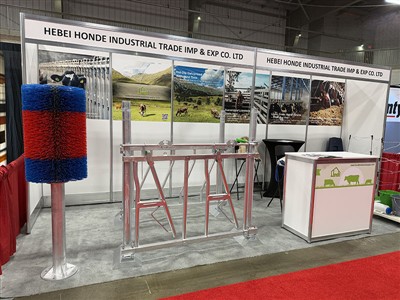
Automatic pig feeders help farms deliver feed to pigs with less repetitive manual work. Depending on the system, feed may be stored in a hopper, delivered through a conveying line, and released into feeding points where pigs can eat. However, not all automatic pig feeders operate in the same way. Some hold dry feed directly above a trough, while others combine feed and water or form part of a larger automated feeding system.
Understanding these differences helps farm owners determine which equipment fits their feeding method, barn layout, and herd management needs. This guide explains the main types of automatic pig feeders, how they work, and what role they play in a pig housing system.
What Is an Automatic Pig Feeder and How Does It Work?
An automatic pig feeder is a piece of feeding equipment designed to make feed available to pigs without requiring workers to manually distribute every portion. Depending on its design, it may store feed locally, release it through an adjustable outlet, or receive feed from a centralized conveying system.
In a simple feeder, feed is placed in a hopper above or beside the feeding area. Gravity allows the feed to move toward the trough, while the outlet design controls how it is presented to the pigs. Some models allow the feed opening to be adjusted so that the amount released can be matched to the feed type and the animals' feeding behavior.
A larger automatic pig feeding system may include a storage bin, conveying equipment, distribution lines, and several feeding points. In this arrangement, feed is transferred from storage to designated areas of the barn. The system can reduce the amount of manual feed transport required, especially on farms with multiple pens or a larger number of pigs.
The main principle is to make feed delivery more consistent and manageable. However, automatic feeding does not eliminate the need for farm workers. Feed levels, equipment condition, and pig behavior still need to be checked to ensure that the system operates as intended.
The actual feeding process depends on the equipment. A gravity-fed feeder, a wet-dry feeder, and a conveyor-based system should not be treated as interchangeable products simply because all of them can reduce manual work.
What Are the Main Types of Automatic Pig Feeders?
Automatic pig feeders can be grouped according to how feed is presented to pigs and how it reaches the feeding area. Understanding these differences is more useful than choosing equipment based on the word "automatic" alone.
Dry Automatic Pig Feeders
Dry automatic pig feeders deliver dry feed into a trough or feeding area. Feed is commonly stored in a hopper and moves toward the outlet as pigs eat or as feed is released by the feeder's design.
These feeders can be suitable for farms that use dry pellets, meal, or other compatible dry feed. Their main practical advantage is that feed can be stored close to the pigs, reducing the need for workers to carry feed to every pen repeatedly.
The outlet and trough need to suit the feed being used. If the opening is too restricted, feed may not move properly; if it is too open, excessive feed may accumulate and be spilled. The appropriate adjustment depends on the feeder design and feed characteristics.
Wet-Dry Automatic Feeders
Wet-dry automatic feeders allow pigs to access dry feed and water at the same feeding station. This arrangement differs from a dry feeder because the animals can moisten feed while eating rather than relying entirely on a separate drinking point for water.
The combined arrangement may be useful where it fits the farm's feeding method and housing design. However, the feeder must be compatible with the intended feed, water supply, cleaning routine, and management practices. Farms should also consider how the combined feeding and drinking area affects moisture and hygiene around the pen.
Wet-dry feeders are not simply dry feeders with a different name. Their feeding area and water arrangement affect how they are installed, maintained, and used.

Automatic Feeder Systems With Conveying Equipment
On farms that need to deliver feed to multiple pens, automatic feeding systems may use conveyors or other mechanical conveying equipment to move feed from a storage point to feeding locations.
A typical system may include a bulk feed bin, conveying line, distribution points, and individual feeders. The exact components depend on the system design and the barn layout. Some systems are configured for particular feed forms or operating methods, so compatibility should be confirmed before purchasing.
The benefit is not just that feed reaches the pigs automatically. A properly planned conveying system can also reduce repeated manual transport and help organize feed distribution across a larger facility.
However, the system is more complex than a standalone feeder. Feed storage, line routing, power requirements where applicable, maintenance access, and the consequences of a conveying failure all need to be considered during planning.
How Does Feed Move Through an Automatic Pig Feeder?
The way feed travels through a system depends on its design. Understanding the process helps farm owners recognize which components are needed and what must be checked during operation.
In a simple hopper feeder, feed is loaded into the storage compartment and moves toward the feeding area through an outlet. The outlet and trough arrangement determine how feed becomes available to the pigs. The farmer must make sure that the feed can move through the opening and that the trough remains suitable for the animals using it.
In a conveying-based system, feed starts in a storage bin or another designated supply point. Conveying equipment transfers it along a route toward the relevant feeding areas. Depending on the system, the equipment may distribute feed to several locations according to its configuration and controls.
This creates a relationship between the feeder and the rest of the feeding system. A feeder may function correctly on its own but still fail to receive sufficient feed if the upstream supply is interrupted. Likewise, a conveying line may deliver feed as intended, but poorly adjusted feeding outlets can still lead to uneven distribution or waste.
For this reason, farms should evaluate the entire route from feed storage to the feeding point rather than checking only the visible feeder. Storage capacity, conveying compatibility, outlet settings, and maintenance access all affect the performance of the overall arrangement.
What Are the Main Benefits and Limitations of Automatic Pig Feeders?
The primary benefit of automatic pig feeders is that they can reduce repetitive manual feeding work. On farms with many pens, transporting feed and filling individual troughs can take considerable time. Suitable automatic equipment can simplify these tasks and make daily routines easier to organize.
Automatic feeding equipment may also make feed availability more consistent. A well-matched feeder can keep feed accessible according to its design, while a centralized system can reduce the need to move feed manually between multiple areas. These benefits depend on correct installation, appropriate adjustment, and regular inspection.
Feed waste is another important consideration, but automatic equipment does not guarantee lower waste by itself. Poorly adjusted outlets, unsuitable trough designs, damaged components, or feed that does not flow properly can all contribute to losses. Waste reduction depends on how well the equipment matches the feed and how it is managed.
There are also limitations. Some systems require more installation work, additional components, or specialist maintenance. Conveying-based systems may be more practical for a larger operation than for a small farm with only a few pens. Wet-dry systems require suitable water connections and cleaning practices, while dry feeders need to be compatible with the feed used.
Farm owners should therefore compare the practical benefits with the demands of installation and operation. The most automated system is not automatically the best choice for every farm.
Where Do Automatic Pig Feeders Fit Into a Pig Housing System?
Automatic pig feeders should be planned alongside the rest of the pig housing equipment. Their performance depends not only on the feeder itself but also on the number and type of pigs housed, the location of the pens, the feed supply route, and the space available for workers to inspect and maintain the equipment.
For example, a standalone feeder may be sufficient where feed can be stored and replenished conveniently near the pen. A farm with many pens arranged across a larger barn may benefit from a conveying system, provided that the layout and feed requirements justify the added complexity.
The type of pigs being housed also matters. Equipment should suit the intended group and its feeding arrangements. A feeder selected for one production stage should not be assumed to fit every other stage without checking its design and specifications.
Placement is equally important. Workers need access to refill, inspect, and clean the equipment. The feeding area should also work with pen divisions, flooring, drainage, and the movement of pigs. If these elements are considered separately, a feeder that appears suitable in a product catalogue may prove inconvenient once installed.
Before finalizing a feeding system, review the complete housing layout and how feed will reach each group. Our guide to pig housing equipment explains how feeding equipment works alongside flooring, watering systems, pen arrangements, and other components of a practical pig barn.